September in the Phoenix area is a funny little in-between season for gardeners. The calendar says fall. The afternoon temperature may have other opinions.
But this is also when the garden starts becoming interesting again. After months of mostly trying to keep things alive, September opens the door to our fall growing season and gives us a surprisingly long list of things we can start planting.
The key word there is can.
This is not a list of things you need to plant in September. Think of it as a menu. Pick what your family will actually eat, what fits your space, and what you are excited to grow. A productive garden does not have to contain every vegetable that technically works in Zone 9B.
Before You Start Planting
If your garden has been limping through an Arizona summer, it is worth doing a little prep before opening every seed packet at once.
Clear out anything that is finished, loosen and refresh tired soil, make sure your watering setup is working, and think about where shade may still be useful while September is hot. Seeds and young plants can dry out incredibly quickly here, so consistent moisture matters, especially during germination.
This is also a good time to look at the space you actually have. Raised beds, containers, and even a small patio can grow quite a bit, but there is no prize for cramming twelve crops into a space that comfortably holds six.
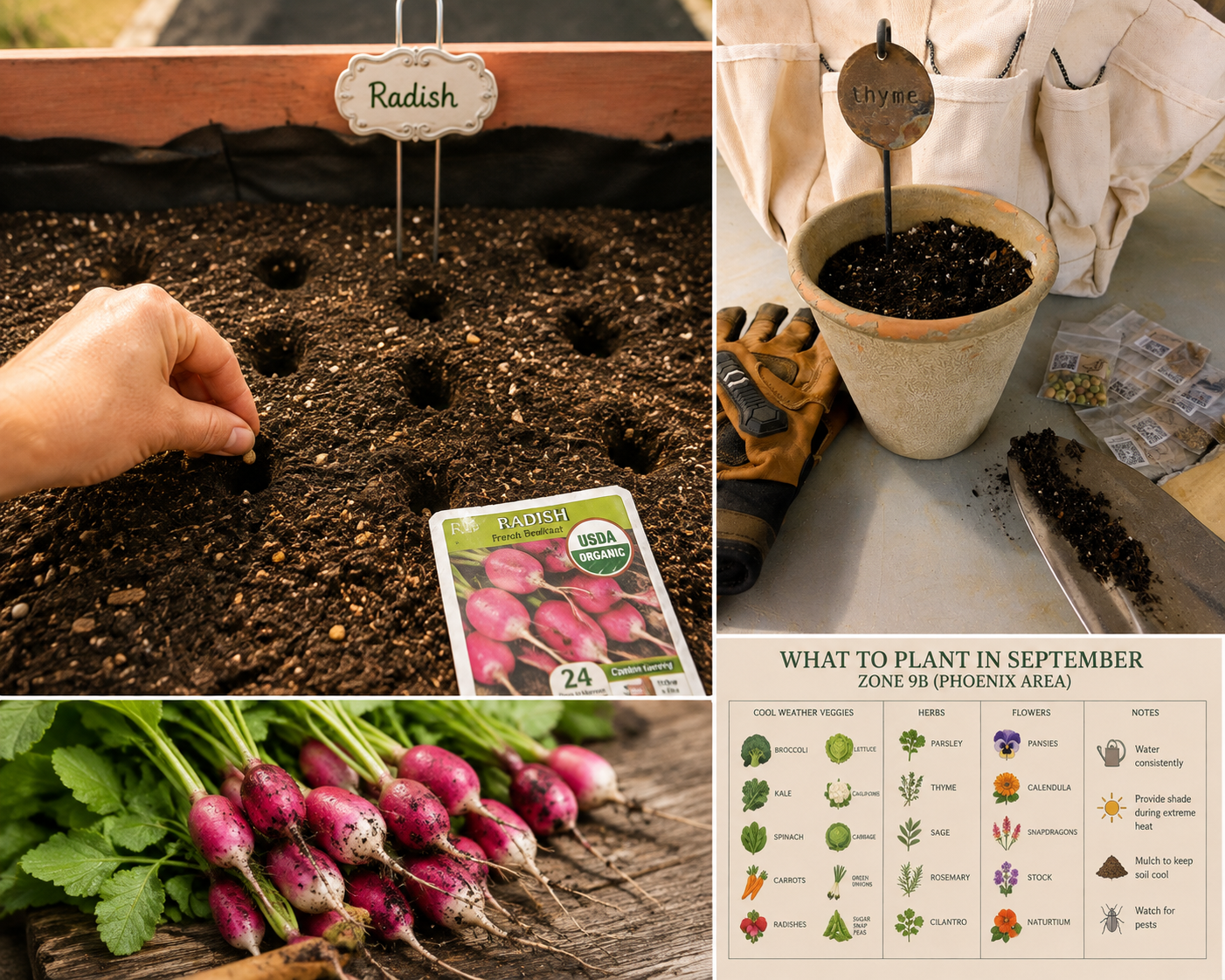
Let the Weather Lead
September 1 and September 30 can feel like two completely different gardening seasons in the Phoenix area.
The University of Arizona Cooperative Extension planting calendar for Maricopa County shows a number of vegetables opening their fall planting windows during September. Some are fine to start early in the month, while others become better choices as we move toward the middle and end of September.
So use the calendar as a guide, not a dare.
If we are still having exceptionally hot afternoons, waiting another week can be the smarter choice for tender greens and other cool-season crops. Arizona gardening gets much easier when you stop arguing with the weather.
Vegetables You Can Plant in September
Early September
Carrots
Carrots can be direct-sown through September. They work well in raised beds and deeper containers and do not take up much above-ground space. The biggest challenge early in the month is keeping the seedbed evenly moist while they germinate.
Broccoli
Broccoli can be started from seed as September begins, with transplants becoming another option as the month goes on. Give it room. Those tidy little starts eventually become very large plants.
Cabbage
Cabbage follows a similar fall window and can be started from seed in September. It is a good choice if you actually use cabbage regularly, but one or two plants can go a surprisingly long way in a smaller household garden.
Cauliflower
Cauliflower is another cool-season crop that can get started in September. It can be a little fussier than some vegetables, but fall gives it a much better shot than our summer weather ever would.
Brussels sprouts
Brussels sprouts have a long growing season, so September is a useful time to get them started. If you have never grown them before, I would treat them as an experiment rather than dedicating half the garden to them on your first try.
Kale
Kale can be sown in September and is an easy crop to tuck into a fall garden. Plant the amount you are realistically going to eat. A little kale is useful. An accidental kale plantation is a lifestyle commitment.
Green onions
Green onions are one of the easiest ways to use smaller spaces and edges of beds. They can be sown throughout September and work well in containers too.
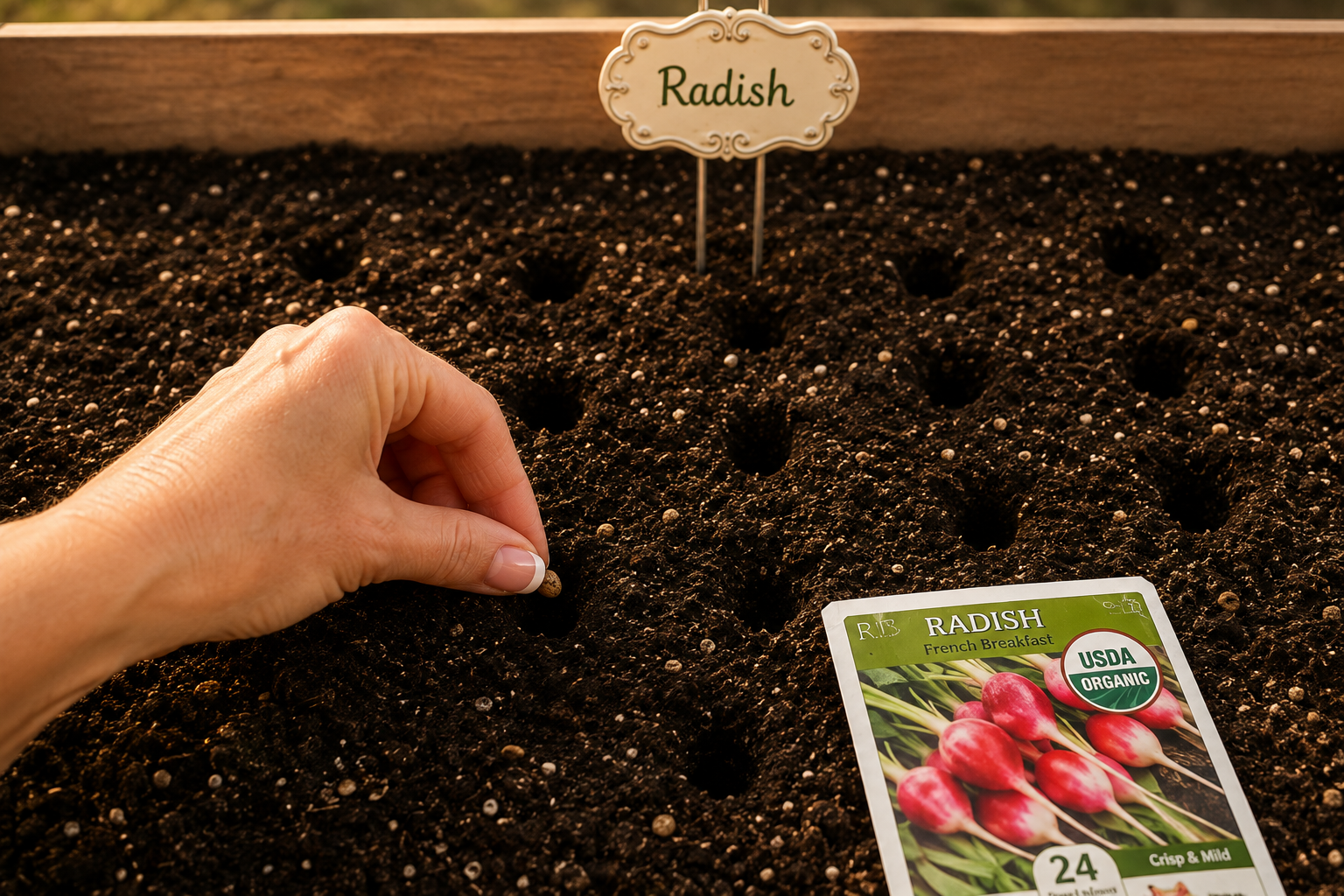
Radishes
Radishes are quick, compact, and perfect for filling small gaps. Their fall planting window opens in September, and because they mature relatively quickly, they are especially satisfying while you wait for slower crops to get moving.
Spinach
Spinach can be planted in September, but this is one where I would keep a close eye on the actual temperature. If the heat is hanging on, there is no harm in waiting until later in the month to give it an easier start.
Head lettuce
Lettuce also opens up as a September option. Like spinach, it may appreciate a little patience if the afternoons are still brutal. Shade and consistent moisture can help while conditions are transitioning.
Mid-to-Late September
Peas
The fall planting window for peas begins around mid-September in Maricopa County. Sugar snap peas and other climbing varieties will need support, so get the trellis in place before the vines start looking for one. Future you will be grateful.
This is also a good point in the month to continue planting many of the vegetables above, especially broccoli, cabbage, cauliflower, carrots, kale, green onions, radishes, spinach, and lettuce as conditions become more comfortable.
A Few Things That Should Wait
It is just as useful to know what not to rush.
Garlic begins its local planting window in October, so September is a good time to prepare its container or bed rather than plant it early.
Standard potatoes are not a September crop on the Maricopa County planting calendar. Their main local planting window is during the cooler part of winter and early spring.
And if you are thinking about tomatoes, the Phoenix-area late-summer transplant window is earlier than September. By this point, I would not start tomato seed expecting it to become part of the current fall round.
Herbs for the Fall Garden
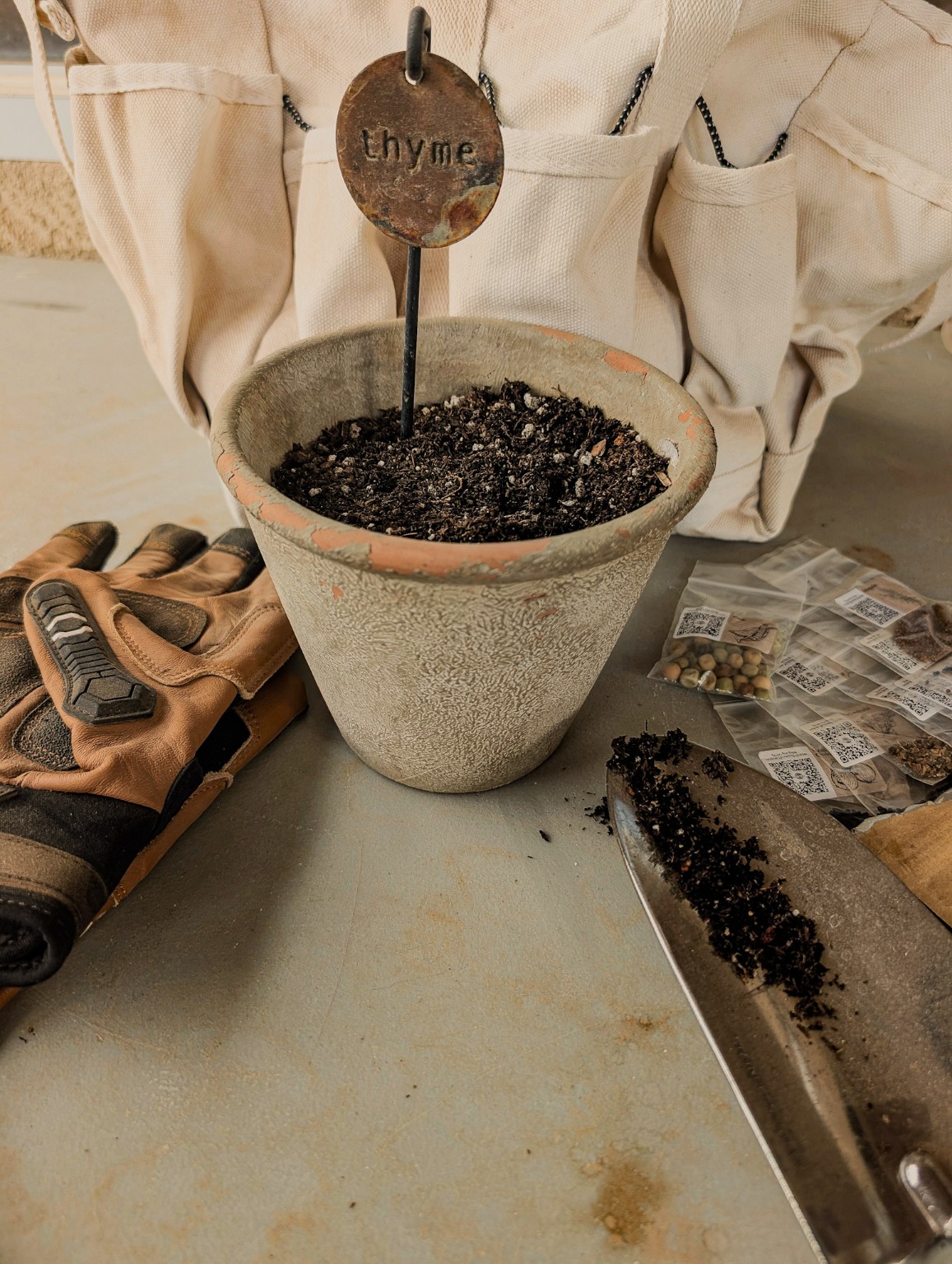
Herbs are one of my favorite ways to make even a small garden feel useful because they can live in containers, tuck around larger plantings, and stay close to the kitchen.
As the weather begins settling down, fall is a good time to think about herbs such as cilantro, parsley, sage, oregano, thyme, and rosemary. Some herbs are happier once the heat eases further, so there is no reason to plant every variety on September 1.
If space is limited, choose the herbs you already reach for when you cook. A garden full of things you never use is still just a very attractive chore list.
Flowers Belong Here Too
A fall vegetable garden does not have to be vegetables only.
Flowers can soften raised beds, bring color back into a tired late-summer garden, and help create a space that feels good to spend time in. Marigolds, nasturtiums, calendula, and other cool-season flowers can all have a place in the broader fall garden as their appropriate planting windows arrive.
I like the idea of weaving flowers into the edible garden instead of separating everything into strict little categories. A few blooms around vegetables and herbs can make the whole space feel more alive.
Grow What Makes You Happy
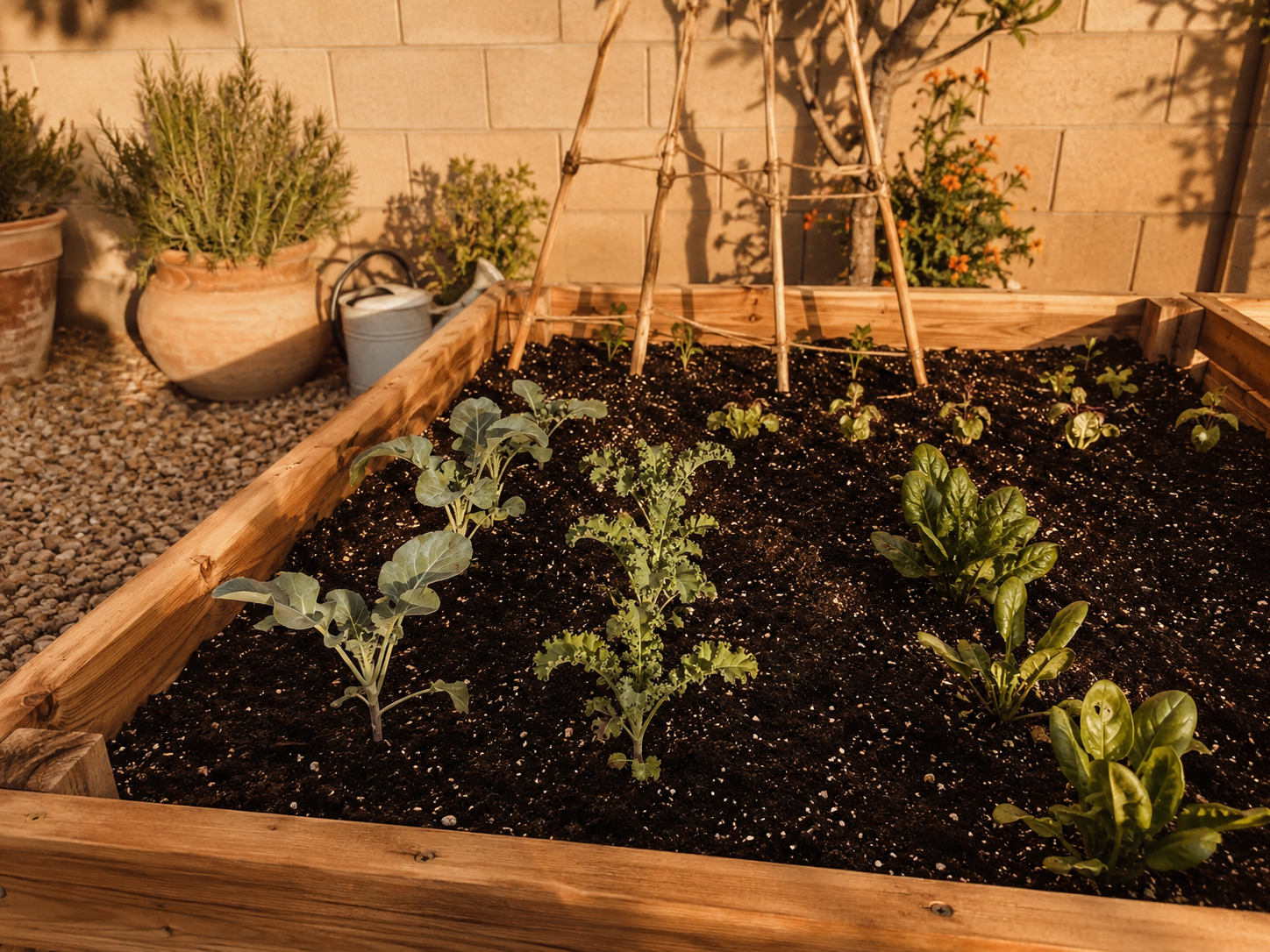
A planting calendar can get overwhelming very quickly. Once you see how many things can grow here in fall, it is easy to feel as if you should be planting all of them.
You do not have to.
Choose the vegetables your household will eat. Grow the herbs you actually cook with. Add flowers because you like looking at them. Leave some empty space for another round of planting later.
Maybe your September garden is one raised bed full of greens. Maybe it is three containers with carrots, green onions, and herbs. Maybe you have enough room to grow broccoli, cabbage, peas, flowers, and half the seed aisle.
All of those count.
Arizona gardening can be challenging, especially during these transitional weeks when summer refuses to leave quietly. But once you learn to work with the season instead of trying to force it, fall becomes one of the most rewarding times to grow here.
Start with what fits. Let the weather help set the pace. And remember that the goal is not to plant everything that can grow in September.
The goal is to grow something you will be happy to walk outside and see.
