Resetting My Arizona Garden for Fall
Right now, my raised beds are mostly empty.
There are no baskets of vegetables coming into the house, no vines climbing the trellises, and not much happening that looks especially impressive in a photo. But that does not mean the garden is being ignored.
August in Arizona is still brutally hot, and rushing to fill every open space would be a very good way to waste seeds, water, and a perfectly reasonable amount of optimism. So before I plant anything, I am using this time to clean up the beds, check what needs attention, and get everything ready for the fall growing season.
Starting with the Empty Beds
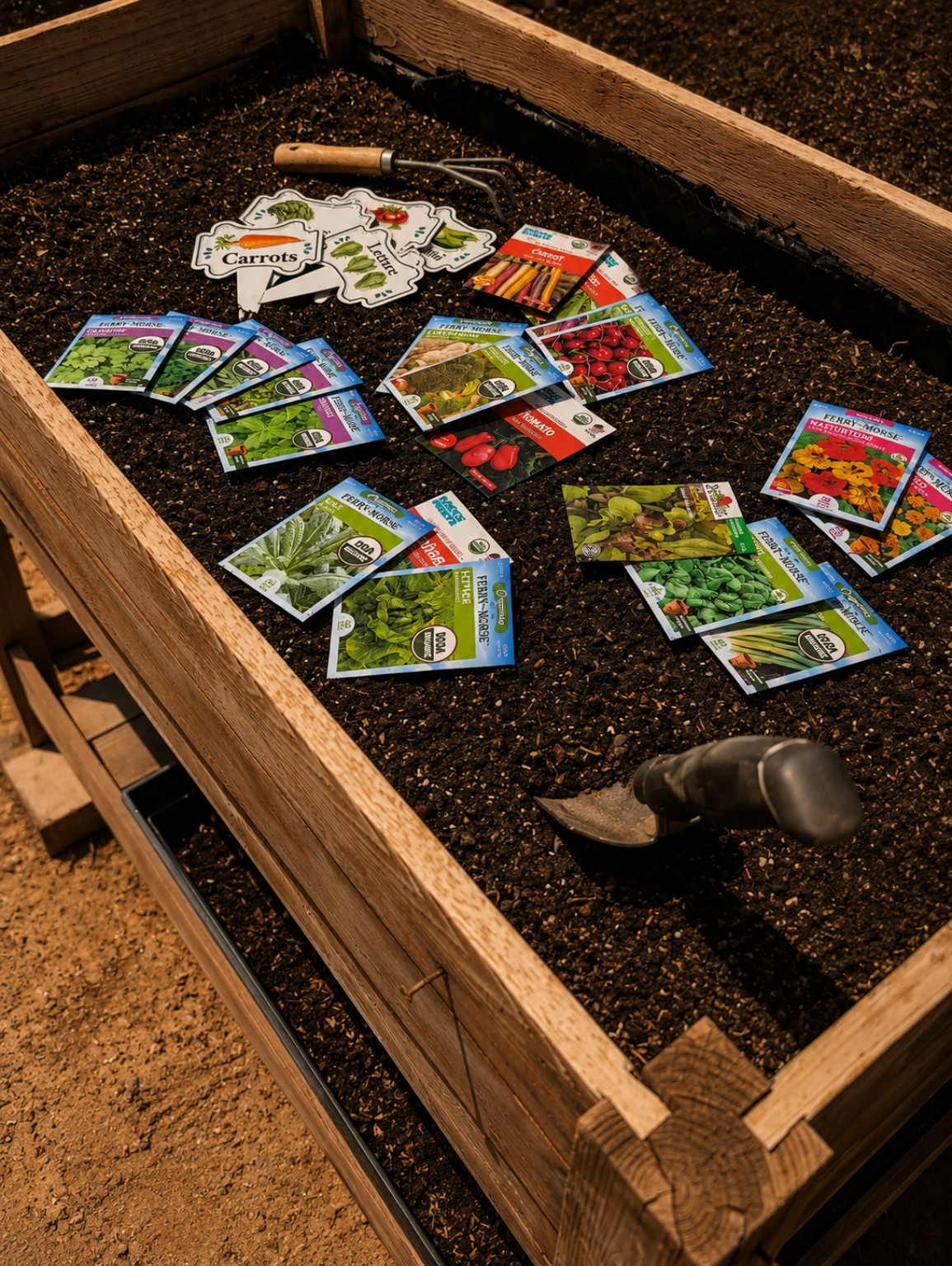
The old plants and anything else that had reached the end of its season have already been cleared out. That is why the beds look so bare in the photos.
Empty beds are not glamorous, but they make it much easier to see what is actually going on.
With everything out of the way, I can check the soil, inspect the wood around the beds, look for damage, and figure out what needs to be repaired or replaced before the garden is full again.
I am also cleaning up around the beds, pulling weeds, removing worn materials, and making the space feel ready rather than forgotten. There is a difference, even when both involve a surprising amount of dirt.
Refreshing the Soil
Before anything new goes in, the soil needs some attention.
I will loosen any compacted areas and add fresh organic material where it is needed. Arizona heat is hard on nearly everything, and raised-bed soil can dry out, settle, and lose some of its structure over time.
This is also when I check how each bed is draining. Adding more plants will not fix poor drainage. It will only give me more plants to worry about while the water sits exactly where it should not.
Once the soil has been refreshed, I will water it thoroughly and give it time to settle before I start sowing.
Planning Before I Plant
It is very easy to stand in front of a seed display and make decisions based entirely on pretty packaging. I know this because I have done it. More than once.
This year, I am trying to be more intentional about what goes into each bed and container. I want to grow vegetables we will actually use, while still leaving room for herbs and flowers.
My fall and winter list includes broccoli, cauliflower, cabbage, Brussels sprouts, a small amount of kale, spinach, lettuce, carrots, radishes, green onions, potatoes, sugar snap peas, garlic, seasonal herbs, marigolds, nasturtiums, and calendula.
Broccoli, cauliflower, spinach, potatoes, and sugar snap peas are the crops I most want to make room for because those are the ones we are more likely to use in everyday meals. Kale will still have a place, just not half the garden.
I am also drawing out the beds using their actual measurements so I can see what fits before I start planting. Apparently, “I will find room for it” is not a complete garden plan.
Getting the Shade Ready
Even though I am planning for fall, anything planted in early September will still have to make it through the end of an Arizona summer.
I will be using 50 percent shade cloth to protect new seedlings from the strongest afternoon sun. My shade setup still needs some work before planting begins, and I want it properly anchored before the next dust storm turns it into an extremely large garden kite.
If you already have a shade structure in place, this is a good time to inspect the fabric, tighten loose sections, and check the supports while the beds are still easy to reach.
Mulch will be added after the seedlings are established. It will help slow moisture loss, protect the soil surface, and keep the roots a little cooler.
Checking the Watering Setup
I currently hand-water, so I need to make sure I can keep the newly planted areas consistently moist while the seeds are germinating.
Early morning is still the best time for the main watering. During the first stretch after sowing, I may also need to check the soil later in the day because the surface can dry out incredibly fast here.
A more permanent irrigation system is part of the longer-term plan. If you already have irrigation, now is a good time to check the lines, emitters, timer, and water pressure instead of discovering a problem after the beds are planted.
Gathering What I Need
I am using this in-between time to gather supplies rather than waiting until planting day and realizing something important is missing.
That includes seeds, plant markers, gloves, hand tools, containers, trellises, and any materials needed for repairs or shade.
The sugar snap peas will need a trellis. Potatoes and garlic will have their own containers, and the herbs will stay in pots closer to the kitchen where I am more likely to use them.
I am also checking the older seed packets before relying on them. Arizona garage and outdoor-storage temperatures are not exactly known for their gentle preservation methods.
Working with a Smaller Space
My garden includes several raised beds, but the same reset can be done on a much smaller scale.
Spinach, lettuce, radishes, green onions, herbs, and compact varieties of broccoli can all grow in containers. Potatoes can go into deep grow bags, and sugar snap peas can climb a trellis attached to a large pot.
A patio, balcony, courtyard, or sunny front entry can still provide enough room to grow something useful.
The most practical place to start is with the space you have and a few crops your household will genuinely eat. A small garden that gets used is much better than an ambitious one that quietly becomes another chore.
Ready for What Comes Next
For now, the beds are empty, the soil is being refreshed, and the supplies are being gathered.
By the time I am ready to sow in early to mid-September, I want the shade secured, the beds prepared, and the garden plan worked out on paper. Then I can focus on planting instead of trying to repair, shop, and improvise all at once.
There will be plenty happening in the garden soon. For now, I am giving it a clean start—and trying very hard not to buy seventeen more seed varieties before then.
